How Long Are You Contagious With Covid – Know Your Risk
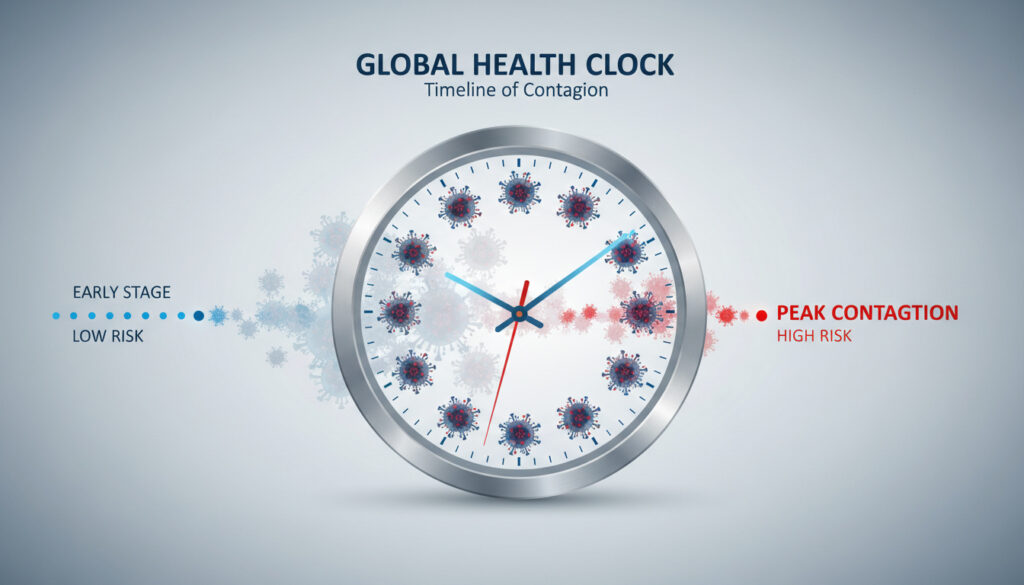
Understanding the contagious period of COVID-19 is vital for preventing transmission and following updated health guidance. Scientific studies confirm that the infectious window can begin before noticeable symptoms, peak early in the course of illness, and extend for several days after onset.
Research shows that this period is not static; it varies with symptom severity, type of variant, and vaccination status. Both symptomatic and asymptomatic individuals can transmit the virus, making consistent adherence to isolation recommendations essential for public health.
As new variants emerge and guidelines evolve, staying informed remains crucial for minimizing risk and curbing further spread.
How long are you contagious with COVID?
- Contagiousness typically begins 1-2 days before symptoms appear.
- Viral load and likelihood of transmission are highest around days 3-5 of symptoms.
- Most people remain infectious for 8-10 days after symptoms start.
- Isolation for at least 5 days is recommended, with masking through day 10 for mild cases.
- Asymptomatic individuals can still spread the virus for up to 10 days from a positive test.
- Severe or immunocompromised cases may remain contagious for 20 days or more.
- Vaccination and virus variant affect the length and intensity of contagiousness.
| Fact | Detail |
|---|---|
| Average Contagious Period | Approximately 10 days from symptom onset for most cases |
| Peak Transmission | Typically near the onset of symptoms or just before |
| Isolation Duration | Generally 5-10 days, subject to local health guidance |
| Variant Impact | Some variants may have a shorter or longer period of infectiousness |
| Pre-symptomatic Spread | Estimated 40-80% of transmissions occur 2-4 days before symptoms |
| Asymptomatic Cases | Infectious up to 10 days after positive test, even without symptoms |
| Severe/Immunosuppressed | Contagious period may extend 20 days or longer |
| Incubation Period | Average 5-8 days from exposure to symptoms |
What is the Recommended Isolation Period for COVID?
Isolation guidance aims to balance effective disease control with practical considerations for affected individuals. For most cases involving mild or improving symptoms, health authorities recommend isolating for at least 5 days, and then masking around others through day 10. These measures are supported by ongoing evidence about secondary transmission risk and viral dynamics.
When to Safely End Isolation After COVID Infection
According to studies and CDC-aligned sources, isolation may end after 5 full days if the person is fever-free for at least 24 hours without medication and symptoms are improving. Continued masking is advised through day 10 to reduce risk to others.
Health Authority Guidelines for COVID Contagiousness
Local and international guidelines, such as those reflected in How long is the contagious period of COVID-19? and COVID Most Contagious When, underline the importance of following updated instructions from official sources, as recommendations may differ based on new evidence or region.
Most people with mild or moderate symptoms are no longer contagious after 8-10 days. Those who are severely ill or immunocompromised may need to isolate for 20 days or longer. Asymptomatic individuals typically isolate for 10 days after a positive test, unless symptoms develop.
How Do Symptoms, Variants, and Vaccination Affect COVID Contagiousness?
Changes in Contagiousness after Symptoms Begin
Peak levels of virus in the body often develop just before or immediately after symptoms appear, making early illness the most infectious phase. As symptoms progress, the likelihood of transmitting the virus gradually decreases but can persist for several days.
Contagious Period in Asymptomatic Individuals
People without symptoms can still transmit COVID-19, particularly in the first 10 days post-positive test. Studies report that such transmission accounts for as much as 40-80% of cases during cluster outbreaks.
Transmission Dynamics in Vaccinated and Breakthrough Cases
Vaccinated individuals who contract COVID-19, especially with Omicron or newer variants, generally have a shorter contagious period and lower viral loads than unvaccinated individuals.
Omicron and its subvariants tend to have a faster onset of contagiousness and a shorter incubation period compared to earlier strains, particularly in vaccinated individuals.
Other Factors Affecting Contagious Duration
Severity of illness, underlying health status, and immune suppression all extend the period of viral shedding. Severe or immunocompromised patients may remain infectious well beyond 10 days, sometimes over 20 days, underscoring the need for medical guidance in complex cases.
Timeline of COVID Contagiousness: Key Stages
- Exposure to the virus (day 0)
- Incubation period begins: viral levels rise before symptoms (average 5-8 days)
- Pre-symptomatic contagiousness: transmission often starts 1-2 days before symptoms
- Symptom onset: contagiousness peaks on days 3-5 after symptoms begin (https://www.goodrx.com/conditions/covid-19/covid-most-contagious-when)
- Continued infectious period: up to 8-10 days for mild cases (https://www.afcurgentcare.com/denver-cherry-creek/blog/how-long-is-the-contagious-period-of-covid-19/)
- Possible extended contagiousness: 20+ days for severe or immunosuppressed cases (https://www.webmd.com/covid/coronavirus-incubation-period)
- Clearance for ending isolation: guided by local health authority recommendations and absence of symptoms/fever
What Is Known—and Not Yet Certain—About COVID Contagiousness
| What’s Established | What’s Still Unclear |
|---|---|
| Average infectious period (8-10 days) for mild/moderate cases | Exact duration of contagiousness in all individuals, especially with new variants |
| Isolation guidelines (5 days plus masking through day 10) reflect peak transmission risks | Effectiveness of rapid tests in determining end of infectiousness |
| Pre-symptomatic and asymptomatic transmission are significant | Variability in duration of contagiousness based on new/future variants |
| Severe/immunocompromised cases may remain infectious 20+ days | Precise differences in transmission rates by vaccination type/dose |
| Vaccinated individuals, especially with Omicron, are infectious for fewer days | Longer-term outcomes of repeated or overlapping infections |
| Incubation period typically 5-8 days; serial interval averages ~4 days | Complete impact of co-infections or multiple exposures on duration |
Insights on COVID Contagiousness: Background and Context
COVID-19 transmission research initially highlighted the importance of pre-symptomatic and asymptomatic spread, leading health authorities to recommend broad public distancing, not just symptom-based isolation. Compared to other respiratory viruses, COVID-19’s peak infectious period is relatively early and extends several days after symptom onset.
Vaccination campaigns and evolving public health policies have significantly shaped isolation recommendations and risk assessments. As more data emerged about variants like Omicron, guidelines adapted to reflect faster transmission and shorter incubation times.
Where the Evidence Comes From: Sources and Expert Perspectives
Early peer-reviewed studies from Singapore and Tianjin illustrated how pre-symptomatic transmission could drive rapid outbreaks, with 40-80% of spread occurring before symptoms. Source: Singapore/Tianjin Cluster Study
Recent analyses confirm that “the fourth day of symptoms is often the most contagious,” echoing trends seen in flu and RSV. Henry Ford Health Blog
CDC and public health agencies maintain recommendation of “isolation for 5 days plus mask through day 10,” while acknowledging extended infectiousness in severe or immunocompromised cases. CDC-aligned Guidelines
Summary: Understanding and Managing COVID Contagiousness
COVID-19 contagiousness is influenced by symptom onset, severity, vaccination status, and variant type. Most individuals are infectious from just before symptoms appear up to 8-10 days after. Isolation and masking remain essential tools, especially as research and health authority recommendations evolve. Further details can be found in How long is the contagious period of COVID-19?
FAQ
What factors determine the duration of COVID contagiousness?
Can COVID be transmitted before symptoms appear?
How effective are tests in determining the end of the contagious period?
Do different COVID variants alter the contagious timeline?
How does vaccination influence the duration of contagiousness?
More related posts
 Stranger Things Season 5 Runtime – Full Episode Times and Volumes
 AFC Bournemouth vs West Ham Timeline – Full Head-to-Head Stats and Results
 1.78 m in Feet – Precise Conversion Guide and Insights
 Nissan Navara for Sale in Ireland | 2025 Guide & Comparisons
 Kids Shoe Size Chart – UK EU CM Toddler Guide
 now tv contact number
 Mumbai Indians vs Delhi Capitals Match Scorecard – IPL 2024 Full Stats & Highlights
 UK Motoring Law Changes 2026: What Drivers Need to Know